
Popular Interior Design Styles Guide
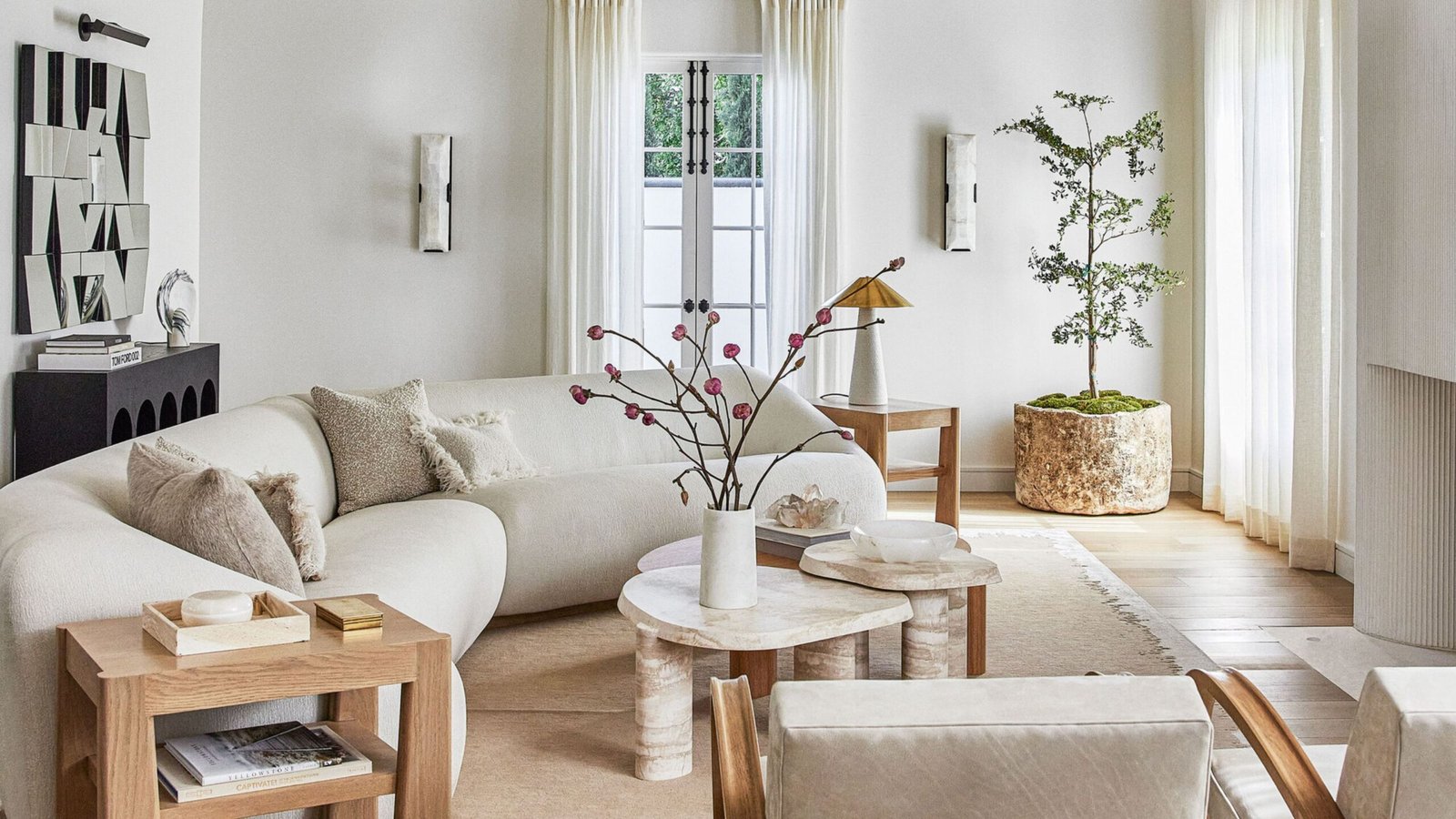
378 views
A room can have expensive furniture, fresh paint, and plenty of decoration and still feel strangely wrong. The usual culprit isn't the budget. It's that the pieces don't speak the same visual language.
One chair says mid-century. The rug leans bohemian. The lighting looks industrial. Then a farmhouse console appears in the corner.
Nothing is technically bad. Together, though, the room feels accidental.
That’s why understanding popular interior design styles is more useful than chasing individual decorating trends. A style gives you a framework for choosing furniture, colors, materials, lighting, artwork, and even the amount of empty space you want to keep.
And the landscape is shifting. Current design reporting points toward warmer palettes, tactile materials, curves, collected objects, and more personal interiors rather than the stark, highly controlled rooms that dominated social media for years. Houzz's 2026 search data, for example, shows rising interest in rounded forms, scalloped tile, arched architectural details, and natural textures.
1. Modern: Clean Lines Without the Coldness
Modern interiors are often reduced to one idea: minimal furniture and white walls.
Not quite.
The broader modern style is built around clean geometry, restrained ornament, functional furniture, and carefully controlled materials. A modern living room might combine a low-profile sofa, walnut cabinetry, a large abstract artwork, polished metal lighting, and one strong architectural feature.
The trick is proportion.
Too many small decorative objects can weaken the visual clarity. Too much gray can make the room feel lifeless. A better modern space usually has a few substantial elements rather than dozens of minor ones.
For a practical starting point, use warm white or soft beige walls, one dominant wood tone, simple upholstery, and lighting with a strong silhouette. Then add texture through wool, linen, stone, or brushed metal.
Modern doesn't have to mean sterile.
2. Scandinavian: Light, Practical and Relaxed
Scandinavian design developed around simplicity, functionality, natural materials, and an appreciation for light. Wood, linen, cotton, leather, and restrained color palettes are common ingredients.
Think pale oak flooring. Soft beige upholstery. White or warm-gray walls. A simple pendant. A wool throw casually left on the sofa.
The room should look usable.
That distinction matters. A Scandinavian interior isn't simply a collection of inexpensive white furniture. Its appeal comes from balancing visual simplicity with comfort and everyday function.
One common mistake is making everything the same pale shade. The result can look flat. Introduce contrast with darker wood, black hardware, muted blue, olive, terracotta, or textured textiles.
3. Japandi: Where Japanese Calm Meets Nordic Warmth
Japandi combines Japanese restraint with Scandinavian practicality. It tends to favor low visual clutter, natural materials, simple silhouettes, earthy colors, and craftsmanship.
There is less decoration, but the objects that remain tend to matter more.
A Japandi bedroom could have a low wooden bed, linen bedding, a plaster-textured wall, ceramic lighting, and a single branch arrangement. That's enough.
The style also benefits from imperfect materials. Hand-finished ceramics, visible wood grain, woven baskets, and slightly irregular surfaces prevent minimalism from becoming clinical.
If you're attracted to Scandinavian rooms but want something quieter and more grounded, Japandi is a natural direction.
4. Industrial: Raw Materials With Urban Character
Industrial interiors borrow visual language from warehouses, workshops, factories, and converted lofts.
Exposed brick. Black steel. Concrete. Reclaimed timber. Large windows.
But the style works best when those harder materials are balanced with softer ones. A black metal coffee table beside a deep fabric sofa feels considerably more inviting than a room filled entirely with metal and concrete.
Lighting is another major component. Oversized pendants, exposed bulbs, track lighting, and articulated metal fixtures can reinforce the industrial character without requiring structural changes.
You don't need an actual loft, either. A standard apartment can borrow the vocabulary through furniture, lighting, shelving, and material choices.
5. Traditional: Architectural Detail Takes the Lead
Traditional design draws from historical European and American interiors, often using symmetry, detailed woodwork, classic furniture shapes, patterned fabrics, and layered accessories.
It can feel formal, but it doesn't have to be stuffy.
A modern traditional room might pair a classic armchair with a contemporary lamp, or place an antique table beneath a clean-lined painting. The result retains history without turning the house into a period museum.
This is particularly useful if your home already has architectural character. Crown molding, fireplaces, paneling, hardwood floors, and built-in cabinetry can become part of the design rather than something to hide.
6. Mid-Century Modern: The Retro Style That Keeps Working
Mid-century modern remains recognizable through its emphasis on organic shapes, functional construction, tapered legs, wood furniture, and clean silhouettes.
Think walnut sideboards, sculptural lounge chairs, simple floor lamps, and geometric textiles.
The danger is going too literal.
A room filled with teak furniture, atomic prints, orange upholstery, and vintage-inspired accessories can quickly resemble a television set. One or two unmistakable mid-century pieces usually have more impact when surrounded by contemporary elements.
This style is especially effective in homes with open layouts because its furniture tends to have a visually lighter footprint.
7. Bohemian: Layered, Personal and Imperfect
Bohemian interiors don't rely on strict symmetry. They build atmosphere through layers.
Patterned rugs. Plants. Woven baskets. Textiles. Vintage furniture. Ceramics. Art collected from different places.
The strongest bohemian rooms usually feel accumulated rather than purchased in one afternoon.
That's the part worth copying.
Start with a neutral foundation, then introduce patterns and color gradually. If everything is competing for attention, the room becomes visual noise. A consistent base color can act as the thread connecting different patterns and materials.
Boho is also forgiving. A secondhand cabinet with scratches may actually contribute more character than a perfectly coordinated new furniture set.
8. Coastal: Airy Without Becoming a Beach Theme Park
Coastal design works through light, texture, and a relaxed relationship with the outdoors.
White, sand, pale blue, natural wood, linen, rattan, and woven materials are common choices.
The mistake is obvious: seashells everywhere, anchor decorations, nautical signs, and artificial beach accessories.
Skip the theme.
Instead, use the physical qualities associated with coastal environments—sunlight, pale surfaces, breathable fabrics, weathered wood, and natural textures. The room will feel coastal without announcing it.
This approach also works beautifully in warm climates, where lightweight curtains, ceiling fans, woven furniture, and breathable upholstery make practical sense as well as aesthetic sense.
9. Farmhouse: Warmth, Texture and Everyday Comfort
Farmhouse design traditionally emphasizes practical materials, approachable furniture, rustic finishes, and a sense of lived-in comfort.
Modern farmhouse has become more restrained than the heavily distressed version that became popular during the 2010s. The strongest interpretations now tend to combine rustic textures with cleaner furniture and more sophisticated lighting.
A reclaimed wood table doesn't need six matching rustic accessories around it.
Let one material carry the character.
Black metal, natural timber, cotton, ceramic, and aged finishes can create warmth without making every surface look artificially weathered.
10. Mediterranean: Warm Colors and Old-World Texture
Mediterranean interiors draw inspiration from regions around the Mediterranean Sea, including Spanish, Italian, Greek, and North African influences.
The palette often moves toward warm whites, terracotta, sand, olive, ochre, and earthy reds. Materials matter just as much: stone, wood, plaster, ceramic tile, linen, and woven fibers create much of the atmosphere.
This style is particularly good at making imperfections feel intentional.
A limewashed wall doesn't need to be perfectly uniform. Handmade-looking tile can be more appropriate than perfectly identical surfaces. Wooden beams, arches, textured plaster, and terracotta details can add architectural depth.
11. Maximalist and Eclectic: More Personality, Better Editing
Maximalism isn't simply "put everything you like in one room."
Good maximalist interiors still need hierarchy.
A patterned wallpaper might become the dominant element. Furniture can provide the second layer. Artwork, books, objects, and textiles then build visual complexity around it.
Eclectic design works similarly but allows styles from different periods to coexist. A vintage cabinet beside a contemporary sofa can look fantastic if they share something—color, scale, material, shape, or proportion.
This direction reflects a broader 2026 movement toward more personal, expressive homes. Designers are increasingly embracing saturated colors, ornament, tactile materials, and collected objects rather than insisting every room remain visually sparse.
How to Choose the Right Style for Your Home
Don't begin by buying furniture.
Start with what already exists.
Look at the flooring, windows, ceiling height, natural light, architectural details, and room proportions. A dark industrial palette may look fantastic online but feel oppressive in a small north-facing room. A pale Scandinavian scheme can work beautifully in a bright space but may need warmer wood and layered lighting in a darker one.
Then identify three things you repeatedly like.
Maybe it's natural wood, curved furniture, and warm neutrals. That points toward Japandi or Scandinavian influences. Perhaps you prefer antiques, patterned fabrics, and traditional architecture. Traditional or eclectic design may be a better match.
A useful rule is the 70/20/10 approach:
Design layer | Purpose |
|---|---|
70% | Dominant style, color, and major furniture |
20% | Secondary materials, patterns, or complementary style |
10% | Accent color, artwork, unusual objects, or bold details |
It isn't a law. It's a way to stop a mixed-style room from becoming random.
And don't ignore scale. A tiny rug floating in the middle of a large seating area can make an otherwise beautiful room look unfinished. Likewise, an oversized sectional can overwhelm a compact apartment before color or styling even enters the picture.
A Better Way to Mix Design Styles
Mixing styles is often where good rooms become great—or messy.
Use one primary style and one supporting influence.
For example:
Scandinavian + Japandi
Modern + Mid-century
Traditional + Contemporary
Mediterranean + Rustic
Industrial + Modern
Coastal + Scandinavian
The connection doesn't have to be obvious. Shared wood tones, repeated curves, similar fabric textures, or a consistent color palette can quietly tie everything together.
Current Houzz research shows why this approach feels timely: searches for rounded kitchen islands, arched range hoods, scalloped tile, and other tactile or curved details have been rising, suggesting that homeowners are moving beyond rigid, purely linear compositions.
The goal isn't to make every object match. It's to make the room make sense.
Frequently Asked Questions
What is the most popular interior design style?
There isn't one universal winner. Modern, Scandinavian, Japandi, traditional, industrial, coastal, and eclectic styles remain widely used, while current 2026 design trends show stronger interest in warmth, texture, curves, personalization, and expressive interiors.
What interior design style is easiest for beginners?
Modern, Scandinavian, and transitional approaches are generally forgiving because they provide simple foundations. You can establish the look with furniture, lighting, textiles, and color without immediately changing architectural elements.
Can you mix two interior design styles?
Absolutely. In fact, mixed-style interiors often feel more personal. Choose one dominant style, then introduce a secondary style through selected furniture, artwork, materials, or lighting rather than dividing the room into separate visual zones.
Is minimalism still popular in 2026?
Minimalism hasn't disappeared, but its strictest interpretation has softened. Current design reporting points toward warmer, more tactile, personalized spaces, with designers showing greater interest in color, ornament, curves, and collected objects.
How do I choose a style without following trends?
Save photographs of rooms you genuinely like, then look for repeated patterns. Ignore the names at first. If the same wood tones, furniture shapes, colors, textures, or architectural details keep appearing, you've probably discovered your underlying design preference.
Give the Room a Direction Before You Give It More Stuff
The best interior isn't necessarily the one with the most impressive furniture.
It’s the one where the choices feel connected.
Before your next shopping trip, photograph the room as it is now. Circle the pieces you absolutely want to keep. Then choose a primary style and a supporting influence, establish three core materials, and set a small color palette.
Only after that should you start buying.
That little pause can prevent the most expensive decorating mistake of all: filling a room before deciding what you actually want it to feel like.
interior design styles
room interior ideas
home decor styles
popular room designs
interior design guide
Found this helpful? Share it!