
2026 Interior Design Trends You Need to Know | Room Trends
702 views
A room can be beautifully decorated and still feel strangely cold. You know the look: matching furniture, bright overhead lighting, a wall of beige, and not a single object that says who actually lives there.
That formula is losing its grip in 2026.
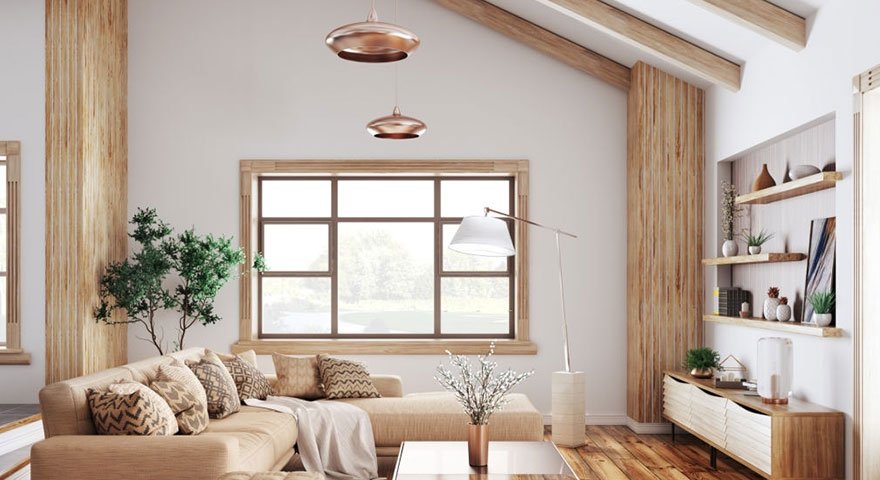
The strongest interior design trends this year aren't really about buying more. They're about making better choices: warmer materials, softer shapes, stronger personal character, useful lighting, and rooms that support how people actually live. Houzz's 2026 search data points toward tactile surfaces, curves, biophilic design, wellness spaces and more expressive interiors, while designer surveys show continued interest in maximalism, eclectic rooms, antiques and color-drenched spaces.
So skip the frantic trend shopping. Start with the room.
The big 2026 shift: homes are getting more personal
The most interesting change isn't one particular sofa shape or paint color. It's the rejection of interiors that look as though they were ordered from one showroom.
Designers are mixing old and new. A contemporary sofa might sit beside a 1960s side table. A polished kitchen can have an antique-looking pendant. Family photographs, handmade ceramics and travel finds are being displayed instead of hidden away because they don't match.
That shift is reflected in 1stDibs' 2026 designer survey, which found continued enthusiasm for maximalism and eclecticism alongside organic modernism, while pre-1920s antiques and customized furniture gained attention.
The goal isn't perfection anymore. It's personality with editing.
That distinction matters. A personal room still needs breathing space.
Warm neutrals are replacing sterile whites
White isn't disappearing. It simply isn't doing all the work anymore.
Warm khaki, mushroom, clay, taupe, olive, chocolate brown and muted terracotta are giving rooms more depth. Sherwin-Williams selected Universal Khaki SW 6150 as its 2026 Color of the Year, describing it as a warm mid-tone neutral designed around livability and longevity.
The practical advantage is huge. A warm neutral can sit behind wood, brass, cream upholstery, dark furniture and stronger accent colors without fighting them.
Try this approach:
Keep the largest surfaces relatively quiet.
Introduce stronger color through curtains, artwork or upholstery.
Repeat one accent color at least twice.
Test paint in morning and evening light before committing.
That last step saves headaches. A color that looks soft beside a sunny window can become considerably darker on a north-facing wall.
Curves are moving from furniture into architecture
Curved furniture has been around for several seasons, but 2026 is pushing the idea further.
Houzz reported searches for scalloped tile rising more than threefold, while searches for arched range hoods increased 177%, arched pantry doors 130%, rounded kitchen islands 123%, and curved peninsulas 61%.
That's a meaningful change because curves are no longer just decorative accessories.
They're becoming part of the room itself.
An arched doorway, rounded kitchen island, oval dining table or softly curved built-in can break up a room dominated by rectangular walls and cabinetry. You don't need all of them. One strong curved element is usually enough.
If construction isn't practical, start smaller: an oval coffee table, round mirror or curved floor lamp can create the same visual direction without touching the walls.
Wood is getting warmer and darker
The pale-oak-everywhere phase is cooling.
Warm and medium woods such as walnut, cherry, elm, hickory and richer white-oak finishes are appearing more frequently across kitchens, living rooms and bedrooms. Houzz specifically identified warm and medium wood tones as a defining 2026 direction.
This doesn't mean every piece of furniture should match.
Actually, matching is part of the problem.
A walnut console can work beautifully with a lighter oak floor if the undertones make sense. Add linen upholstery, aged metal and a stone surface, and suddenly the room feels collected rather than purchased as a set.
The trick is repetition. Repeat each major wood tone somewhere else instead of introducing five unrelated finishes.
Texture is doing the work that decoration used to do
Flat surfaces can make even expensive interiors feel unfinished.
That's why texture has become one of the quieter but more useful 2026 trends. Think limewash-style finishes, textured wallpaper, woven shades, linen, wool, natural stone, fluted surfaces and tactile upholstery.
Houzz's 2026 research describes a broader movement toward sensory-rich environments, while its design forecasts emphasize natural materials, craftsmanship and layered surfaces.
A useful rule is to combine different textures rather than simply adding more objects.
For example, a living room could have:
A textured rug underfoot.
A linen or cotton sofa.
A rough stone side table.
Smooth ceramic accessories.
One darker wood element.
That's enough.
You don't need twenty cushions.
Color drenching is becoming more sophisticated
Painting walls, trim and ceiling in related shades isn't new, but designers are becoming more adventurous with it.
1stDibs' 2026 designer survey found color drenching among the year's expected major directions, with burgundy and chocolate brown remaining popular alongside softer shades such as butter yellow, cornflower blue, baby pink and pistachio.
The mistake is assuming color drenching means painting everything an intense color.
It doesn't.
A muted olive across the walls and trim can be much easier to live with than a saturated emerald. A warm clay shade can create a cocooning bedroom without becoming visually exhausting.
For a cautious first attempt, use the technique in a hallway, powder room or small study.
Lighting is becoming part of the architecture
A single ceiling fixture can't do everything.
It needs to illuminate the room, but it also has to compete with daylight, create atmosphere and make furniture and artwork look good. That's why layered lighting remains one of the smartest upgrades for 2026.
Use three levels where possible:
Ambient: ceiling fixtures or general room lighting.
Task: desk lamps, reading lights and under-cabinet lighting.
Accent: wall lights, picture lights or decorative lamps.
Warm light is especially useful in living areas and bedrooms. For smart systems, look for fixtures or bulbs that support dimming and adjustable color temperature rather than simply chasing maximum brightness.
The technology should disappear into the room. If you spend more time troubleshooting the app than enjoying the lamp, something went wrong.
Wellness is becoming a room-planning decision
Wellness design is moving beyond the occasional houseplant.
Houzz reported substantial increases in searches for home gyms, sensory rooms, yoga rooms, spa-style bathrooms and biophilic design in its 2026 emerging-trends data.
That tells us something useful: homeowners are designing spaces around how they want to feel, not merely how they want photographs to look.
A wellness-oriented room doesn't need expensive equipment.
A bedroom might prioritize blackout curtains, quiet materials and adjustable bedside lighting. A bathroom might use warmer stone tones, a comfortable shower and dimmable lighting. A small balcony can become a reading corner instead of another place to store things.
The Global Wellness Institute's 2026 architecture trends also highlight circadian lighting, psychological regulation and the relationship between built environments and human well-being.
Sustainability is becoming practical, not preachy
Sustainable interiors are increasingly about longevity.
Buy a solid wood table that can be repaired. Reupholster a good chair instead of throwing it away. Choose materials that can age gracefully. Buy vintage when the piece is genuinely useful rather than purchasing something new simply because it carries a sustainability label.
Houzz's 2026 search data shows growing interest in repurposed materials, recycled-glass countertops, bamboo flooring, low-voltage lighting and solar energy.
There's also a financial argument.
Replacing cheap furniture every few years isn't necessarily cheaper than buying one durable piece and keeping it for a decade.
Pattern is returning, but with better control
Minimal interiors aren't dead. They're just sharing the room with pattern again.
Plaid, grid patterns, patchwork, wallpaper and decorative textiles are appearing across furniture and soft furnishings. Houzz identifies grid and plaid motifs as a 2026 direction, particularly in upholstery, rugs, drapery and throws.
A useful approach is to choose one dominant pattern and let the surrounding pieces support it.
A patterned armchair can work with a plain sofa. A bold wallpaper can have quiet furniture. A patterned rug can become the anchor while the walls remain restrained.
Recently, designers have even been experimenting with “pattern sandwiching”—connecting wallpaper with coordinated trim, wainscoting or ceiling color so the pattern feels deliberately framed rather than randomly applied.
The smartest 2026 room may be a “forever room”
One particularly useful shift is the move away from designing purely for resale.
Current renovation reporting points toward homeowners creating spaces for their actual lives, including dedicated rooms for hobbies, wellness, dressing, work and multigenerational living. Houzz also reports that nearly two-thirds of surveyed homeowners expect to remain in their homes for at least 11 years.
That changes the buying question.
Don't ask, “Will the next owner like this?”
Ask, “Will I still enjoy using this room five years from now?”
That's a much better filter.
What to change first if your budget is limited
You don't need a renovation to make a room feel current.
Start with the elements that occupy the largest visual field or affect the atmosphere most.
Budget | Best 2026-focused upgrade |
|---|---|
Under $100 | Warm bulbs, cushions, secondhand art or hardware |
$100–$300 | Paint, rug, curtains or a distinctive lamp |
$300–$1,000 | Quality lighting, accent chair, larger rug or vintage furniture |
$1,000+ | Sofa, cabinetry changes, custom lighting or durable natural materials |
Prices vary significantly by location and quality, so treat these as planning ranges rather than fixed market prices.
And don't upgrade everything simultaneously. A room often looks worse halfway through a makeover because every new item is competing for attention.
Edit as you go.
5 questions people are asking about 2026 interiors
What is the biggest interior design trend for 2026?
The broader movement is toward warmer, more personal and tactile interiors. Curves, natural materials, expressive color, vintage pieces and layered lighting are all part of that shift.
Are white walls outdated in 2026?
No. White still works, particularly in bright or compact rooms. The difference is that warmer neutrals and richer colors are being used more often instead of relying on stark white everywhere.
Are curved furniture pieces still trendy?
Yes, but curves are expanding beyond furniture. Houzz's 2026 search data shows increased interest in curved islands, arches, scalloped tile and other architectural details.
How can I follow 2026 trends without making my home look dated?
Keep expensive, permanent elements relatively timeless. Bring trends in through paint, lamps, textiles, art and movable furniture. That way, changing direction later doesn't require rebuilding the room.
Is sustainable interior design expensive?
It can be, but it doesn't have to be. Secondhand furniture, repairing existing pieces, buying durable materials and choosing products designed for long-term use can reduce both waste and replacement costs.
The best 2026 trend is choosing what actually works
Interior design is heading somewhere warmer.
Not necessarily louder. Not necessarily more expensive.
The strongest rooms of 2026 combine practical layouts with personality: a vintage piece beside something modern, warm wood against stone, soft lighting over useful furniture, and colors chosen because they make the occupants feel good rather than because an algorithm declared them fashionable.
Before buying anything, stand in the room for a few minutes.
Look at the light. Notice what feels awkward. Find the surface that's too empty and the corner that's doing nothing.
Then change that first.
That's how a trend becomes a home instead of another shopping list.
2026 interior design trends
room design trends 2026
modern room ideas
interior décor trends
home room inspiration
Found this helpful? Share it!