
DIY Green Home Decor Ideas (Trending Color 2026)
468 views
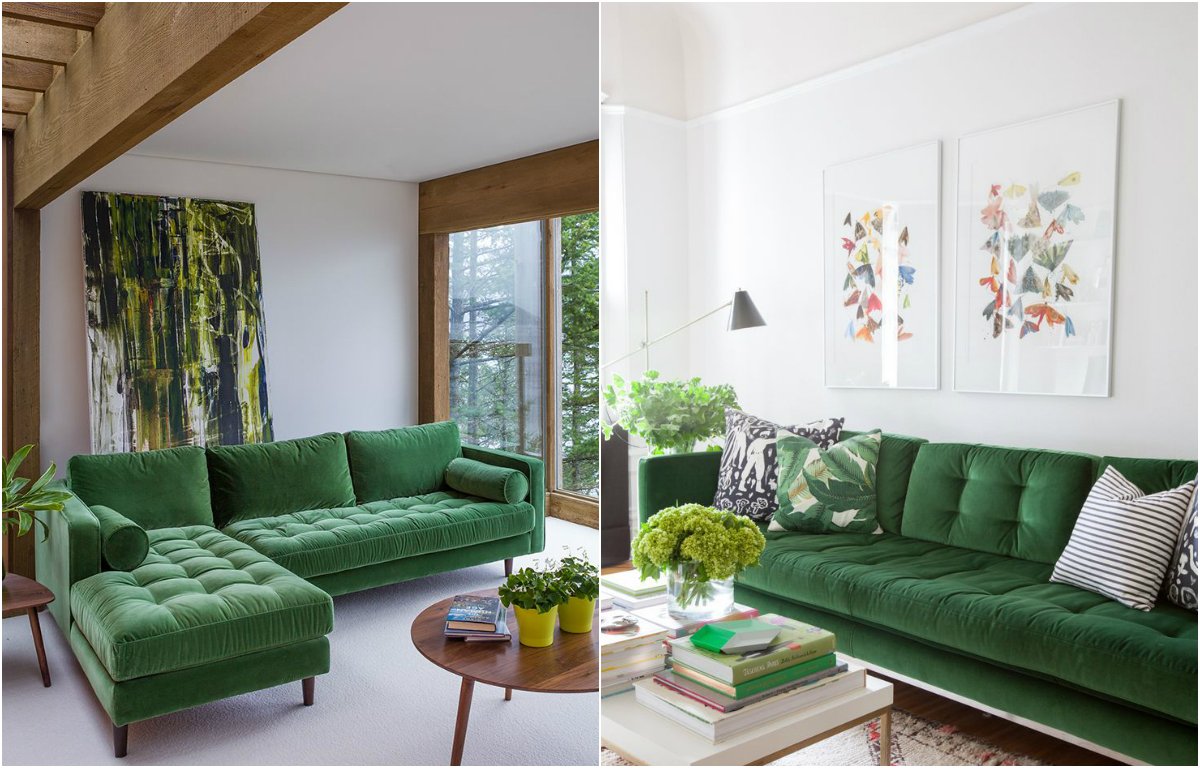
If your room feels flat but you don't want another expensive makeover, green may be the easiest place to start. The trick, though, isn't simply buying a few green accessories and calling the room finished. In 2026, green is being used more deliberately—through painted details, repurposed accents, layered finishes, and quieter nature-inspired combinations.
That shift fits Room Trends particularly well. The site already covers broad 2026 room-color trends and beginner-friendly sustainable decorating, so this guide takes a narrower, more hands-on route: how to turn the year's green direction into small DIY projects that actually change a room without making it look like a themed showroom.
Green Has Changed in 2026
Green isn't one trend. It's a whole spectrum.
BEHR's 2026 Color of the Year, Hidden Gem, is a smoky jade that sits between blue and green. Sherwin-Williams selected warm neutral Universal Khaki for its overall 2026 Color of the Year, but its July 2026 Color of the Month, Liveable Green SW 6176, is a soft, nature-inspired green with subtle yellow-gray undertones. Benjamin Moore's 2026 palette also includes Narragansett Green HC-157, a much deeper option.
That's useful for DIY decorating because you don't have to commit to emerald or forest green everywhere.
A pale sage can brighten a tired corner. A smoky jade can give an old lamp a completely different personality. A dark green can make inexpensive shelving look far more substantial.
The 2026 approach is less "paint everything green" and more "use green where it earns attention."
1. Paint the Inside of a Cabinet
This is one of the easiest high-impact projects because the green doesn't dominate the entire room.
Take an open bookcase, glass-front cabinet, kitchen hutch, or even a recessed shelf. Paint only the interior back panel in a muted green while leaving the outside wood, cream, or neutral.
For a contemporary look, try a smoky jade or gray-green. For something warmer, use olive. If the room already contains walnut or oak, a deeper green can make those wood tones look richer.
Before painting, remove the shelves and clean the surface thoroughly. Glossy laminate may need light sanding and a suitable bonding primer; raw wood generally needs less preparation, but old finishes can contain grime that prevents paint from adhering properly.
One annoying detail: dark green shows dust surprisingly well on horizontal surfaces. Use it on the vertical backing rather than every shelf if you're not interested in constant wiping.
2. Turn a Cheap Frame Into a Green Accent
Old picture frames are perfect DIY material because you're changing the finish, not the object.
Look around thrift shops, garage sales, or your own storage before buying anything new. A scratched wooden frame can become a sophisticated accent with two coats of low-sheen green paint.
Try these combinations:
Room palette | Frame color | Interior |
|---|---|---|
Cream + oak | Soft sage | Botanical print |
Khaki + walnut | Deep olive | Vintage illustration |
White + black | Smoky jade | Abstract artwork |
Terracotta + beige | Dusty eucalyptus | Black-and-white photo |
Don't worry if the frame isn't perfectly smooth. A little visible texture can make the finished piece feel more collected and less mass-produced.
For a modern gallery wall, repeat the green only two or three times rather than painting every frame the same color.
3. Give a Lampshade a Green Makeover
A lampshade can completely alter the color temperature and visual character of a corner.
For a simple DIY version, start with a plain fabric shade rather than one with heavy pleating or a plastic-coated surface. You can add a narrow green ribbon around the top and bottom edges, replace the shade with green fabric, or use a removable fabric covering.
The important part is heat.
Don't glue ordinary decorative material directly against a hot bulb or socket. Keep fabric and trim clear of the bulb and electrical components, and use the lamp manufacturer's recommended bulb type and wattage. LED bulbs generally produce less heat than traditional incandescent bulbs, but that doesn't make careless placement safe.
A green lampshade works especially well beside cream walls, warm wood, or brass hardware because the color becomes visible without needing another large green object.
4. Make a Green Window Trim Moment
Painting an entire room is a commitment. Painting the inside edge of a window is not.
A muted green window surround can frame daylight beautifully, particularly in rooms with white or warm-neutral walls. The effect is subtle from across the room but much more noticeable when you're standing near the window.
Use painter's tape carefully around glass and adjacent walls. Clean the trim first, then lightly sand glossy existing paint. For previously painted wood, a compatible primer and trim paint will usually produce a more durable finish than applying ordinary wall paint directly.
This is also where lighting matters.
A color that looks soft and gray-green at noon can appear considerably warmer under artificial light at night. Sherwin-Williams specifically describes Liveable Green as adaptable to both light and dark spaces, which makes the idea especially useful for rooms where daylight changes dramatically.
5. Build a Green-and-Wood "Material Sandwich"
Here's a useful trick for avoiding the flat, overly coordinated DIY look: don't match colors first. Match materials.
Take a simple wood stool, a green-painted ceramic object, a woven basket, and one neutral textile. Put them together in a small grouping.
The green provides the visual thread. The wood and natural texture stop it from becoming too polished.
You can also create this effect on a console table:
Put one green object at one end.
Add a wooden or stone-textured object near the center.
Finish with a smaller cream or beige piece on the opposite side.
The colors don't need to match exactly. Slight variation is better.
6. Try a Green "Color Block" on Furniture
You don't need to repaint an entire dresser.
Mask off the drawer fronts and paint only the top two drawers. Or paint the legs while leaving the main body natural. Another option is a vertical strip on the side of a cabinet.
This works particularly well on inexpensive flat-pack furniture because the color interrupts the generic appearance.
For renters, removable adhesive vinyl can create a similar effect on smooth surfaces. Just test adhesion in an inconspicuous area first; some finishes peel or discolor when adhesive is removed.
A useful 2026 combination is warm khaki, natural wood, and muted green. Sherwin-Williams itself positions earthy green Garden Gate alongside Universal Khaki in its 2026 palette, reinforcing the broader move toward grounded, nature-connected combinations.
7. Create Botanical Art Without Making a Moss Wall
Room Trends already explores moss wall art, so there is little reason to repeat that project. A quieter alternative is pressed botanical artwork.
Collect fallen leaves or use commercially available dried botanical material. Arrange a few pieces between glass or inside inexpensive floating frames.
Keep the composition sparse.
One large leaf can look more sophisticated than twenty tiny pieces packed together. Choose a frame in dark wood, natural oak, or the same green used elsewhere in the room.
This also gives you a way to introduce green when real plants aren't practical—perhaps the room has poor daylight, pets that chew foliage, or simply no time for plant care.
8. Make a Green Tray From Something You Already Own
A serving tray, shallow wooden box, or forgotten picture frame can become a decorative tray.
Clean it, lightly sand it if appropriate, and paint the base in green. Leave the edges natural wood if you want more contrast.
Then use it to organize objects that would otherwise look scattered: candles, books, a small vase, remote controls, or coffee-table accessories.
The point isn't the tray itself. It's visual grouping.
Three unrelated objects can look intentional once they're contained within one defined shape.
How to Choose the Right Green
Don't choose a shade from your phone screen and immediately buy a gallon.
Screens vary. Lighting varies even more.
Get sample pots or physical color chips and look at them in the actual room. Check the color in morning daylight, afternoon daylight, and under your evening lamps. Benjamin Moore and Sherwin-Williams both provide physical sample/color-selection resources, while Sherwin-Williams also offers visualization tools for testing colors in spaces.
A simple guide:
Small, bright room: pale sage or light eucalyptus
Warm-neutral room: olive or muted green
Room with lots of wood: smoky jade or forest green
Dark room: softer, lighter green rather than very deep green
Dramatic study or dining room: deep blue-green
Minimalist interior: use green on one architectural or decorative detail
There's another practical test worth doing. Hold the sample next to your flooring, sofa, curtains, and largest wooden furniture piece. Green can look completely different beside orange-toned oak than it does beside gray laminate.
A Better Way to Keep Green From Taking Over
The familiar 60-30-10 color framework can be useful here: roughly 60% dominant color, 30% secondary color, and 10% accent. It isn't a law, but it gives DIY decorators a useful starting point when a room begins feeling visually chaotic.
For example:
60%: warm cream or khaki
30%: natural wood and beige upholstery
10%: green accents
Notice what's missing?
A room doesn't need green walls, green curtains, green cushions, green artwork, and green furniture just because green is trending.
One or two strong green interventions are often enough.
Common DIY Problems That Show Up Later
The first mistake is choosing color before considering the existing finishes. A green that looks beautiful online can clash badly with orange wood, pink-beige tile, or cool blue-gray flooring.
The second is skipping surface preparation. Paint isn't magic. Grease, dust, glossy finishes, and old silicone can cause peeling, especially around kitchens and bathrooms.
Then there's the temptation to buy every "eco" product with green packaging. Sustainable decorating isn't simply a shopping category. Reusing a sturdy piece you already own can be more sensible than replacing it with a new item marketed as environmentally friendly.
And don't forget maintenance. A beautiful matte finish on a high-touch cabinet may become frustrating if it marks easily. For frequently handled furniture, choose a coating appropriate for the surface and expected wear.
5-Minute Green Decor Plan for a Weekend
If you don't want a major project, start small.
Friday: Pick one object or architectural detail that currently feels boring.
Saturday: Test two or three green samples against the room's real lighting and materials.
Sunday: Finish the project, then remove one unrelated decorative item if the space suddenly feels crowded.
That last step matters.
Good decorating isn't always about adding more.
FAQ
What green is trending in 2026?
There isn't one universal green for 2026. Smoky jade, sage, olive, eucalyptus, and deeper blue-green shades are all relevant. BEHR's Hidden Gem and Sherwin-Williams' Liveable Green are two concrete examples from major paint brands' 2026 color programs.
Is green still popular for living rooms?
Yes. Green remains strongly connected with the broader preference for nature-inspired, warmer interiors. Softer greens are particularly easy to combine with wood, cream, beige, and stone.
What's the easiest green DIY project for a beginner?
Painting a small picture frame, cabinet interior, or furniture detail is usually easier than tackling an entire wall. You get a visible result without committing the room to a new dominant color.
Does green make a small room look smaller?
A very dark green can make a poorly lit room feel more enclosed. Lighter sage and gray-green shades are generally easier in compact spaces, especially when paired with light walls, mirrors, and good illumination.
Can I use green without painting anything?
Absolutely. Try a refurbished frame, lampshade detail, decorative tray, artwork, removable vinyl, or a small collection of green accessories. The goal is to introduce the color intentionally rather than covering every surface.
The Smartest Green Update May Be the Smallest One
The strongest 2026 green interiors aren't necessarily the loudest. They use color with restraint.
Start with one overlooked surface. Test the shade. Watch it change through the day. Then build around what actually works in your room rather than what looked perfect in a catalog.
That approach costs less, creates fewer regrets, and leaves plenty of room for the next idea.
DIY green home decor
green room decor ideas
2026 color trends
eco-friendly room decor
room makeover ideas
Found this helpful? Share it!